![CISM new logo_LI[6271].jpg](https://static.wixstatic.com/media/e9bd12_a3f20ddac4094703a9700344d0937016~mv2.jpg/v1/fill/w_258,h_129,al_c,q_80,usm_0.66_1.00_0.01,enc_avif,quality_auto/CISM%20new%20logo_LI%5B6271%5D.jpg)

1ST RESPONDERMENTAL HEALTH & WELLNESS CONFERENCE
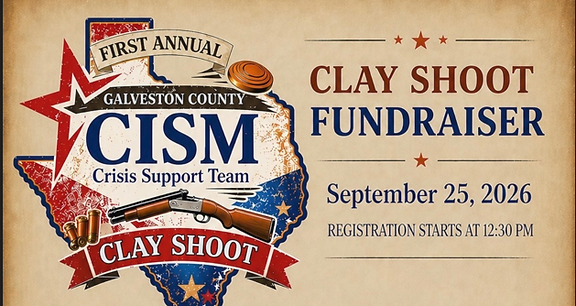
THANK YOU!!!
We are so grateful to everyone who helped make this first event such a success. From our wonderful sponsors, shooting teams, volunteers, donors, raffle contributors, and supporters, every single person helped make the day special. We had a fantastic turnout, great weather, lots of laughs, friendly competition, and most importantly, an opportunity to bring together first responders, community partners, friends, and supporters of our mission. A very special thank you goes to all of our sponsors who believed in our team and supported this fundraiser. Your generosity helps us continue providing confidential crisis support, peer support, training, education, resources, and assistance to first responders, their families, military members, veterans and their families, agencies, and community members - while keeping those services at little to no cost whenever possible. We also want to thank every team that came out to shoot and support us. You made our first clay shoot fun, competitive, and memorable, and we truly hope you will all be back next year.
Congratulations to our 2026 winning teams:
1st Place: "Bull Shooters 2"
2nd Place: "Galveston County Sheriff's Office Team"
3rd Place: "Clay Busters"
And congratulations to all of our raffle prize winners! We hope you enjoyed your prizes, and we are so thankful to the individuals and businesses who donated items and helped make our raffle such a fun part of the day. Most of all, this fundraiser reminded us how fortunate we are to have so many people and organizations who believe in the work of the Galveston County CISM Crisis Support Team.
This was our first clay shoot, and we learned a lot, had a great time, and are already looking forward to making the next one even bigger and better. So, if you missed us this year, start thinking about your team for 2027! We would love to see returning teams, new teams, sponsors, agencies, businesses, and friends join us next year for another great day supporting an important mission.
Thank you again to everyone who helped make our first annual Clay Shoot Fundraiser one we will not forget.We could not have done it without you!!!
Galveston County CISM Crisis Support Team
What is CISM?
Critical Incidents are highly stressful situations. Simply put, a critical incident is a traumatic event (or perceived life-threatening event) that has sufficient power to overwhelm an individual’s ability to cope. Normal physical and psychological responses occur which places considerable pressure upon that person.
About the Galveston County CISM Team
We have all experienced crisis, trauma, and difficult situations, and sometimes we need some help coping! Please take advantage of our CISM team! We are here to assist you and your agency. We have peers, mental health clinicians, chaplains, spouse peers, and more. Never feel alone or abandoned. We are a brotherhood and always here to help.
Need Help? Call Us
To request the team's services please call:
409-333-0250
For more information, please contact us:
Renee Lamberton
Clinical Director
Margo Ihde
Team Coordinator

How Can We Help You?
RESOURCES
Resources, articles, links, and, information on crisis management, trauma, stress, and other mental health issues


EDUCATION
Information on training, certification, educational opportunities, and continuing education
SERVICES
Learn more about the services our team provides including crisis response, chaplaincy, peer support, referrals, and more.
CONTACT
Please reach out to us if you have any questions, comments, or would like to learn more about our team.
Who We Serve


Partners:


Mailing Address:
2925 Gulf Frwy S., Ste B #206
League City, TX 77573